 Poundon Pastures
Is your dog really stubborn, or just overwhelmed?
By Catherine,
Calling a dog stubborn assumes they understood your request and chose to ignore it. Much more often they're overwhelmed, confused or struggling to process what you asked. Anxiety, overstimulation and distraction all make it harder to respond. Behaviour is communication, and what looks like defiance can mean a dog feels unsure, uncomfortable or unable to cope.
Stress limits thinking. A dog under high arousal may respond slowly, refuse cues or switch off, and pushing harder tends to backfire. Pausing, creating a sense of safety and letting them reset works better. A quiet, enclosed, familiar space takes pressure away, and dogs are often more responsive there than in busy, unpredictable places.
Dogs that have been punished or harshly corrected can stop trying because they feel they have no control over what happens. That looks like stubbornness, but it's disengagement. Rebuilding trust, offering choice and removing pressure helps them re-engage.
A few things to try: watch before you label, and look for sniffing, freezing or turning away, which can mean overload. Train somewhere calm with fewer distractions. Let your dog say no, since that tends to build more willing responses over time. Keep sessions short and aim for small wins.
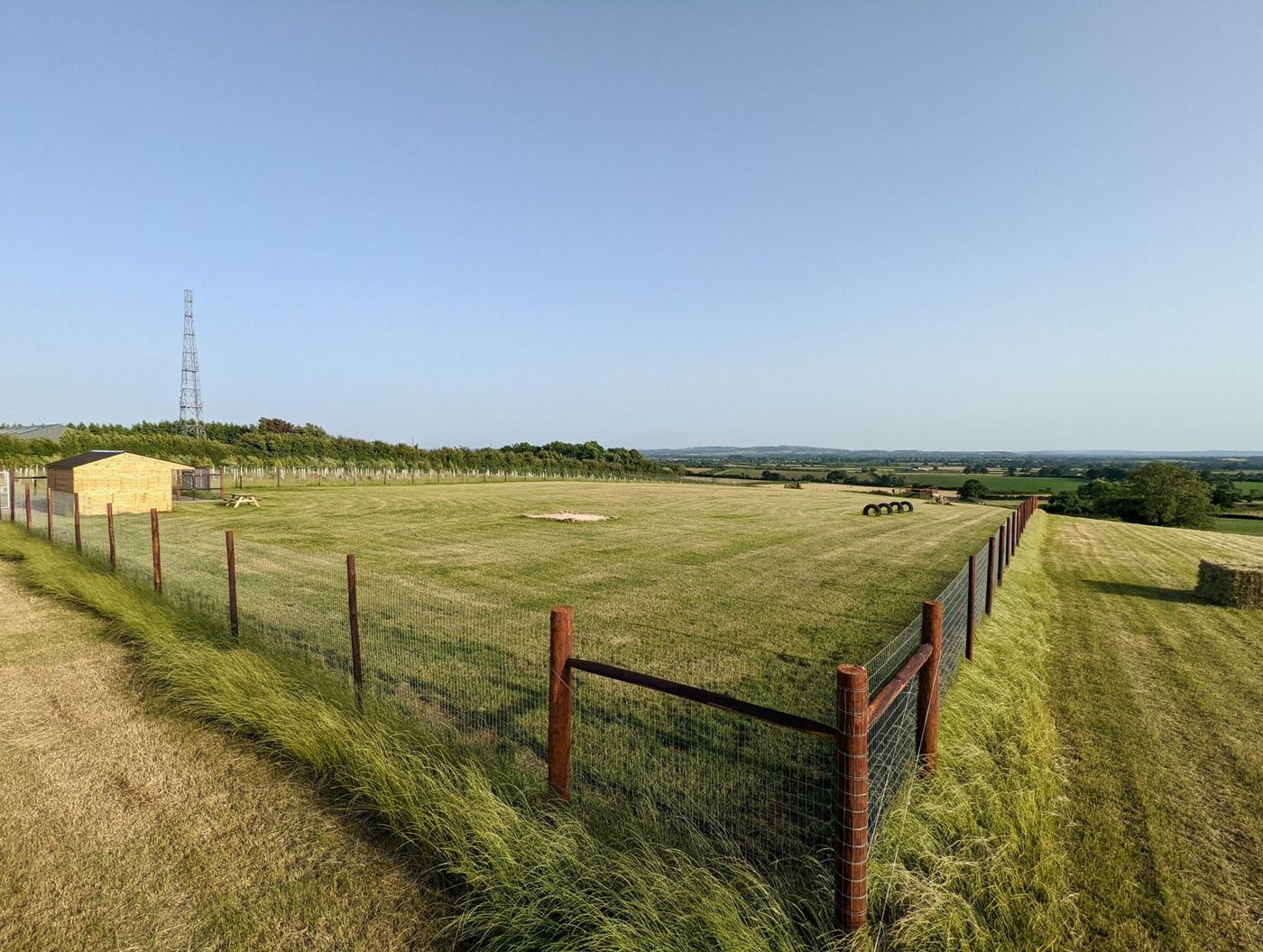
Trust and calm come first. Our secure field is a good place to train, decompress and practise recall.
See also: secure dog field for reactive dogs, dog field near Bicester and our 10-session packages.
Want a calm, private place to try this with your dog?
Book your session